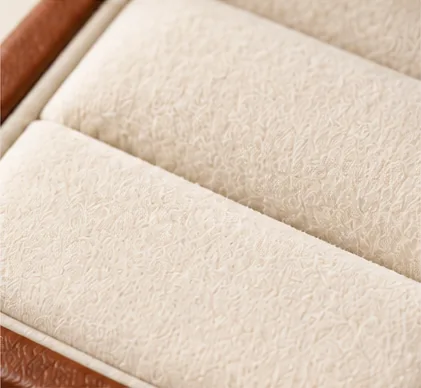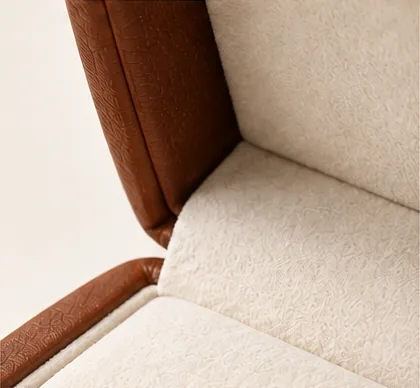
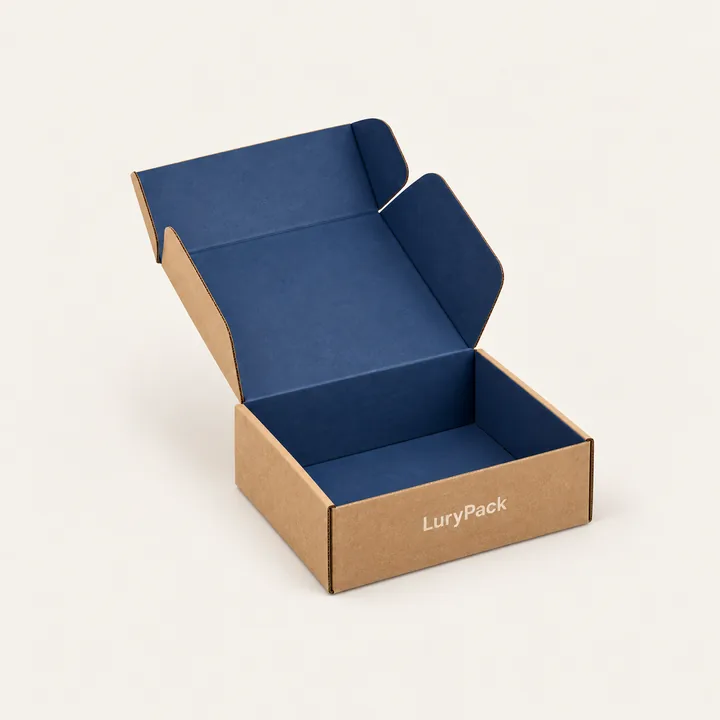
Good packaging
starts with the contents.

Then comes the opening, the material and the brand detail. Work through them together.

Talk through an idea

Every layer
has a job.

Choose each role around the piece and the way it will be presented or delivered.

Kraft & Ink

01The delivery

Plan the outer layer

Start with the complete packed item, then review the folds, handling and print areas.

View this design
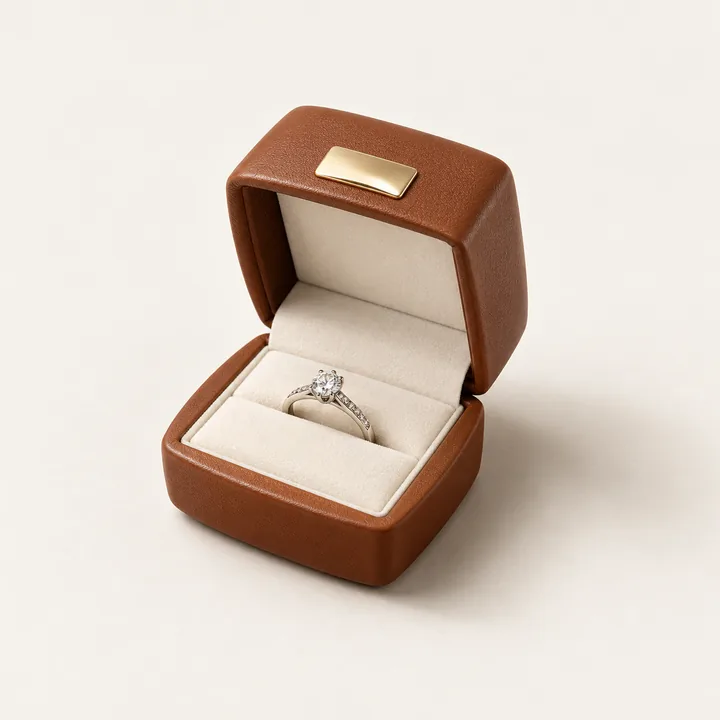
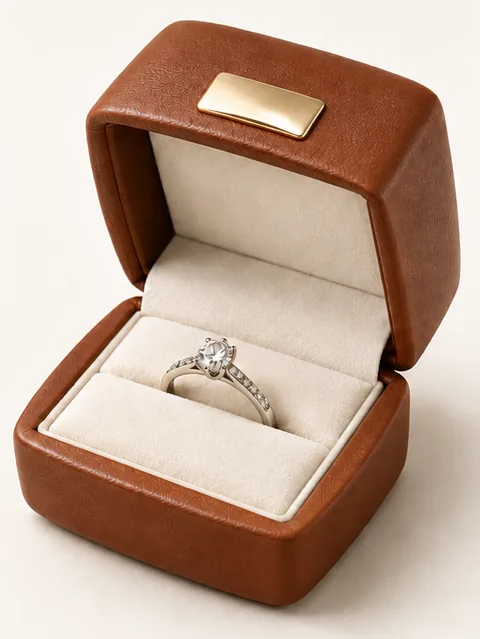
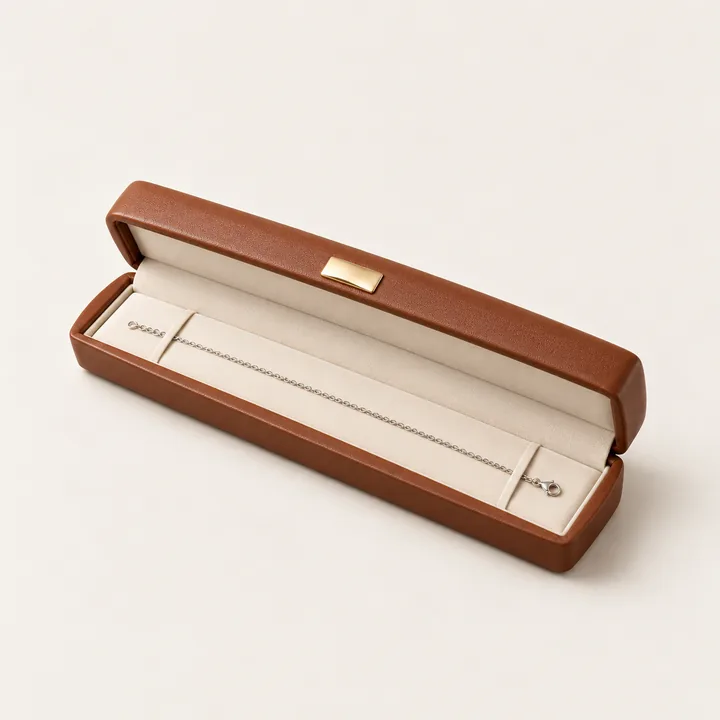
Chestnut PU Ring Box

02The presentation

Give the piece its setting

Compare the opening and the way the insert supports the jewelry.

View this design
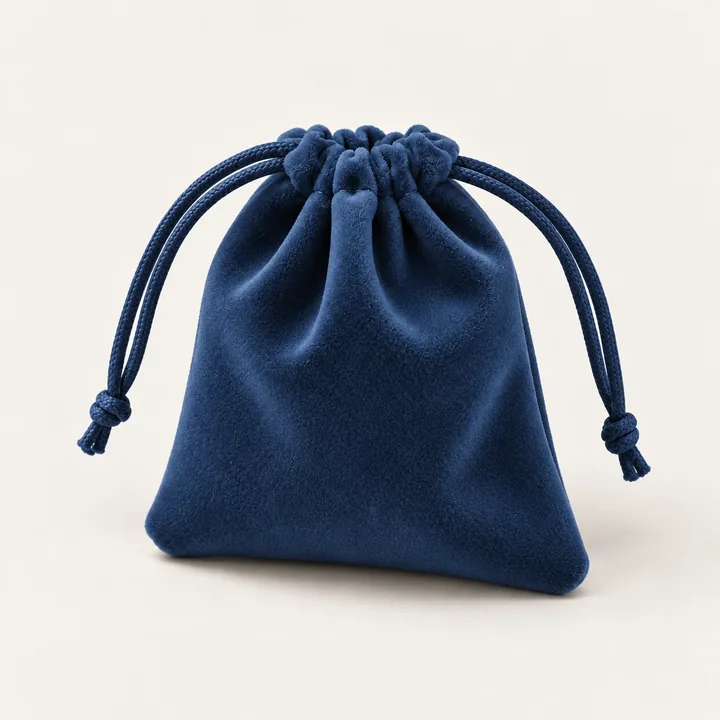
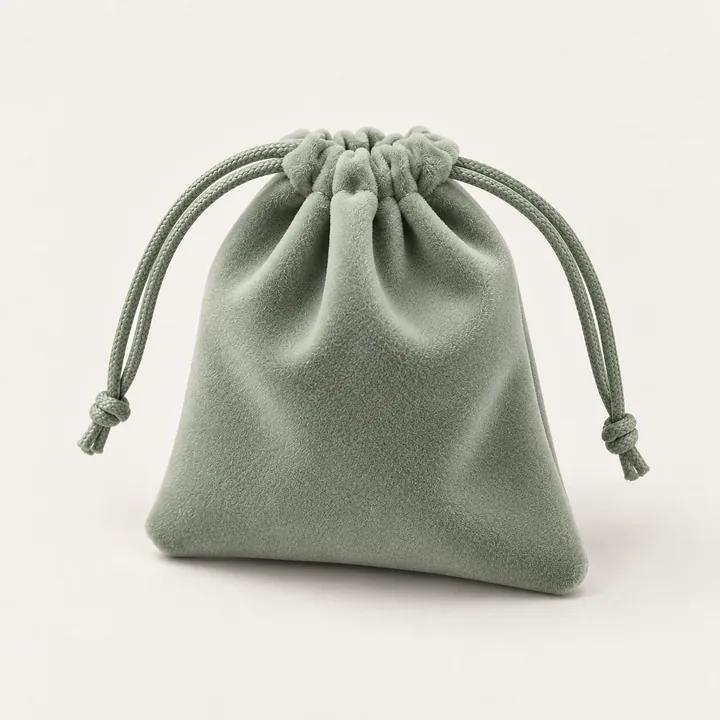
Ink Drawstring Pouch — 100 × 120 mm

03The soft layer

Consider the handover

Review the fabric, seams and space below the gathered opening.

View this design

Review the complete packed dimensions before combining formats.
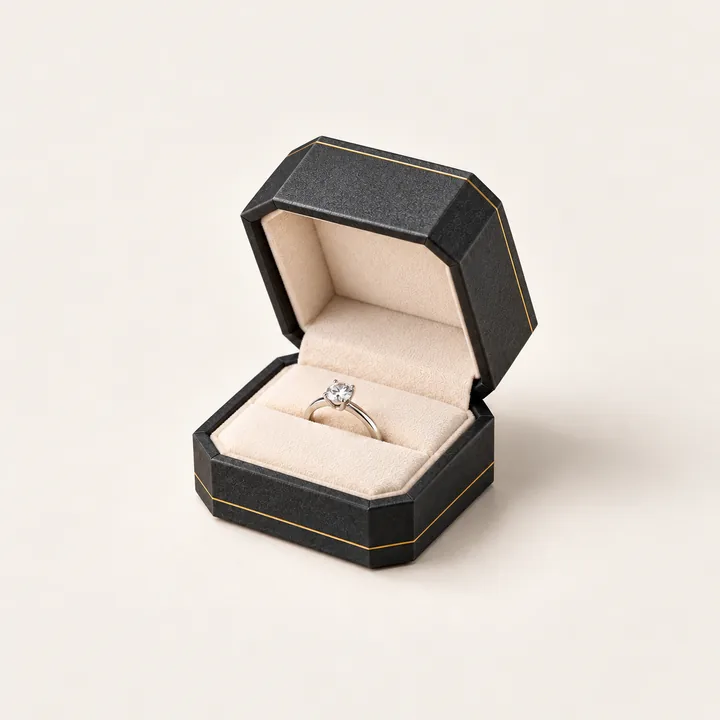
Graphite ring box; numbered checkpoints identify the outer wrap, soft lining, ring support and opening.
LP-P03-01 · Explore this design

Look a little closer

Four details.
One considered opening.

Open a detail to see what to discuss when reviewing a sample.

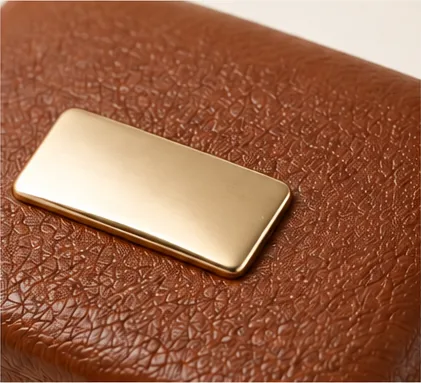
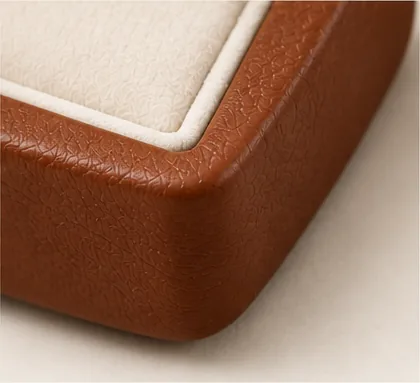
1Outer wrap

Look at the surface, turned edges and corner alignment when comparing the finish.

2Soft lining

Review the lining color and texture together with the piece it will hold.

3Ring support

Check how the ring sits, how easily it can be removed and how much clearance it needs.

4The opening

Review the lid position and the view of the piece when the box is open.

Ask about this design

Surface and finish

Look at the material.
Then the mark.

Bring the covering and the surface treatment into the same conversation.
Explore the covering through the format.
  1. Printed ink

    Check print

    Review contrast, fine lines and the mark at its final size.

  2. Foil

    Check foil

    Review placement, line spacing and the foil tone on the selected covering.

  3. Embossed detail

    Check relief

    Review the relief, edge definition and fine details on the chosen covering.

Choose the covering first. Review the same artwork version on a sample.
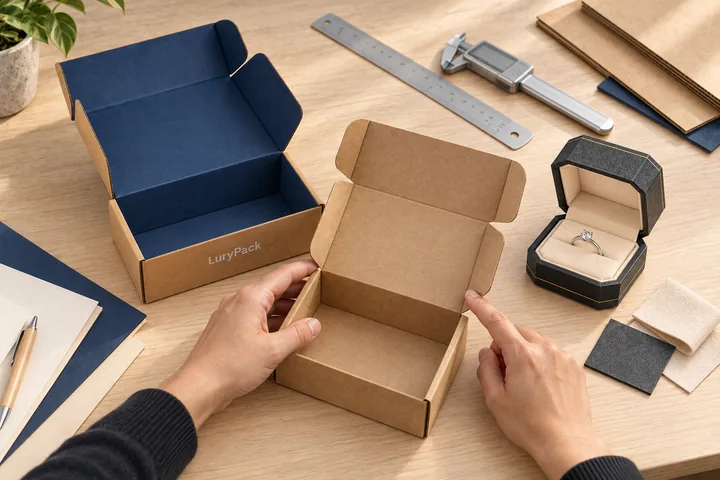
A folded mailer prototype and a graphite jewelry-box sample on a sample-review desk.
Structure and sample review

Begin with the sample.

Bring the contents, the dimensions and the proposed structure together.

From the piece
to a clearer sample.

Structure, finish and sample scope are separate decisions. Work through them in order.

  1. Start with the piece

    A product photo, a rough size or a short question is enough to begin.

  2. Choose the format

    Compare the opening, insert and size around the actual piece and its use.

  3. Refine the brand detail

    Work from the selected structure when discussing color, print and logo placement.

  4. Agree the sample scope

    Confirm the design revision, sample checks, quotation and lead-time starting point together.

Fit first.
Finish with intention.

Review the contents, insert and closure before refining the artwork. A finish should support the design rather than hide a structural problem.
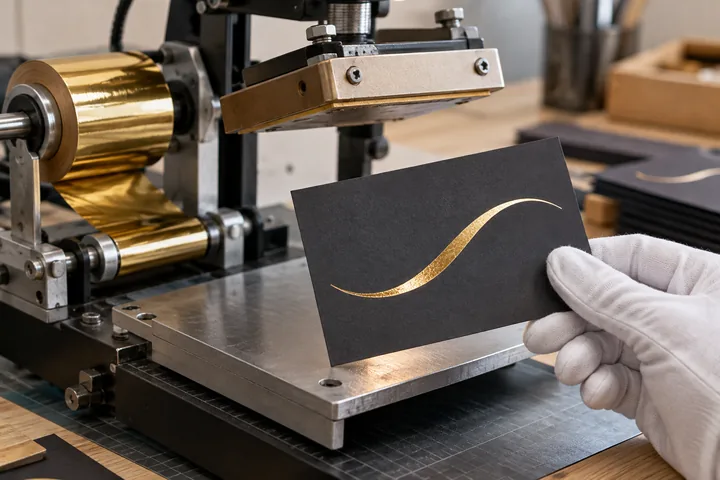
Follow the making.

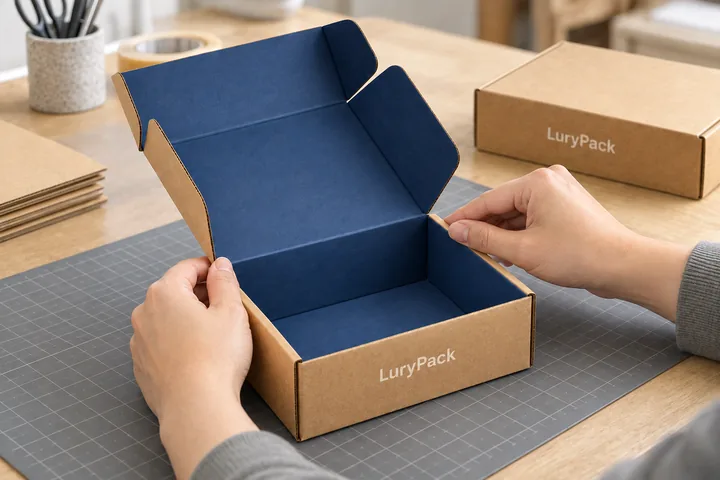
Hands checking the folds of a kraft corrugated mailer with a connected lid.
Mailer creases and folds
A foil-finish test swatch being checked beside a stationary stamping press.
Foil finish sample check
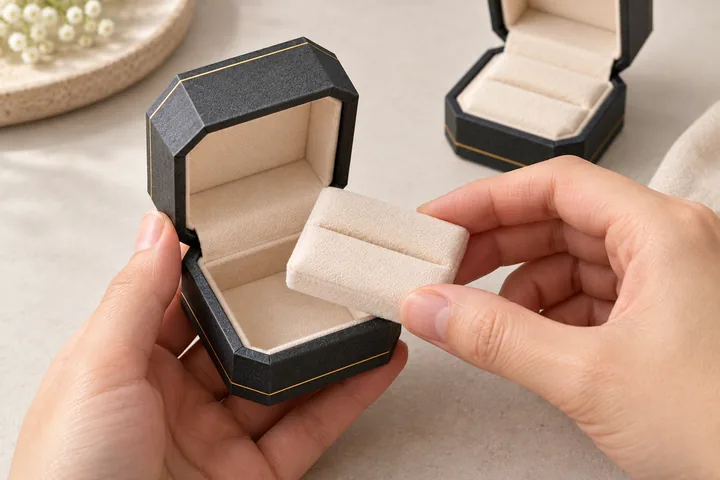
A cream ring insert aligned with an angular graphite jewelry-box shell.
Lining and insert fitting
  1. What to review in the sample: Complete sample
    Complete sample
  2. What to review in the sample: Covering
    Covering
  3. What to review in the sample: Corners
    Corners
  4. What to review in the sample: Insert
    Insert
  5. What to review in the sample: Opening
    Opening
What to review in the sample

A useful sample checks
more than the outside.

Agree which structure, dimensions, artwork revision and finish the sample represents. Review opening, removal and assembly with the intended contents.

Prepare the artwork

What are you
planning to package?

Start with the contents, the occasion or the question on your mind.

Let’s talk about it
LuvyPack

What would you like to know?

Packaging customization

Prefer WhatsApp?

Add project details (optional)

We use these details to reply to your question. Privacy

Analytics preferences

Optional analytics helps us understand which packaging and pages are useful. Your email and message stay out of these event fields.